Burdock Leaves: The Natural Remedy For
Burdock Leaves: The Natural Remedy for
Burdock is a common weed that can be found growing in many parts of the world. However, despite its humble appearance, burdock has a long history of use as a medicinal herb. The leaves, roots, and seeds of burdock can all be used to make remedies for a variety of health conditions.
In this blog post, we will explore the potential health benefits of burdock leaves. We will also discuss how to use burdock leaves safely and effectively.
What Are Burdock Leaves?
Burdock leaves are large, oval-shaped leaves that grow on tall, leafy stalks. The leaves have a slightly hairy texture and a slightly bitter taste. Burdock leaves are a good source of vitamins A, C, and K, as well as minerals such as calcium, iron, and magnesium.
Health Benefits of Burdock Leaves
Burdock leaves have a number of potential health benefits. Some of the most well-known benefits include:
- Detoxification. Burdock leaves are a good source of fiber, which can help to remove toxins from the body. They also contain compounds that have antioxidant and anti-inflammatory properties, which can help to protect the body from damage caused by free radicals.
- Skin health. Burdock leaves have been used traditionally to treat a variety of skin conditions, including acne, eczema, and psoriasis. The leaves contain compounds that can help to reduce inflammation and promote skin cell regeneration.
- Blood sugar control. Burdock leaves contain compounds that can help to regulate blood sugar levels. This makes them a potential natural remedy for people with diabetes or prediabetes.
- Cancer prevention. Some studies have shown that burdock leaves may have cancer-fighting properties. However, more research is needed to confirm these findings.
- Immune system support. Burdock leaves contain compounds that can help to boost the immune system. This makes them a potential natural remedy for people with colds, flu, and other infections.
How to Use Burdock Leaves
Burdock leaves can be used in a variety of ways. They can be eaten fresh, cooked, or dried. They can also be made into a tea, tincture, or extract.
If you are considering using burdock leaves, it is important to talk to your doctor first. Burdock leaves may interact with certain medications, so it is important to make sure that they are safe for you to take.
Safety Precautions
Burdock leaves are generally considered safe for most people to use. However, there are a few safety precautions to keep in mind:
- Do not use burdock leaves if you are pregnant or breastfeeding.
- Do not use burdock leaves if you have a history of kidney or liver disease.
- If you are taking any medications, talk to your doctor before using burdock leaves.
Conclusion
Burdock leaves are a versatile herb that has a long history of use as a medicinal remedy. They are a good source of vitamins and minerals, and they have a number of potential health benefits. However, it is important to talk to your doctor before using burdock leaves, especially if you have any health conditions or are taking any medications.
Burdock leaves are a versatile and nutritious herb that have been used for centuries in traditional medicine. They are a good source of vitamins A, C, and K, as well as fiber and antioxidants. Burdock leaves have been shown to have a number of health benefits, including:
- Boosting the immune system
- Reducing inflammation
- Detoxifying the body
- Improving blood sugar control
- Supporting liver health
- Promoting hair growth
If you are interested in learning more about the health benefits of burdock leaves, I suggest you visit Garden Wiki. This website provides comprehensive information about burdock leaves, including their history, nutritional profile, and potential health benefits. You can also find recipes and tips for using burdock leaves in your diet and lifestyle.
FAQ of burdock leaves
Question 1: What are the health benefits of burdock leaves?
Answer: Burdock leaves have a number of health benefits, including:
- Anti-inflammatory: Burdock leaves contain compounds that have anti-inflammatory properties. This can help to reduce inflammation in the body, which can be beneficial for a variety of health conditions, such as arthritis, allergies, and asthma.
- Antioxidant: Burdock leaves are a good source of antioxidants, which can help to protect cells from damage caused by free radicals. Free radicals are unstable molecules that can contribute to the development of chronic diseases, such as heart disease, cancer, and neurodegenerative disorders.
- Immune-boosting: Burdock leaves contain compounds that can help to boost the immune system. This can help the body to fight off infection and disease.
- Detoxifying: Burdock leaves are a natural detoxifier. They can help to remove toxins from the body, which can improve overall health and well-being.
- Skin health: Burdock leaves can be beneficial for skin health. They contain compounds that can help to reduce acne, eczema, and other skin conditions.
Question 2: How can I eat burdock leaves?
Answer: Burdock leaves can be eaten cooked or raw. They have a slightly bitter taste, so they are often cooked in soups, stews, or stir-fries. They can also be eaten raw in salads or as a side dish.
Question 3: Are burdock leaves safe to eat?
Answer: Burdock leaves are generally safe to eat, but they can cause allergic reactions in some people. If you are allergic to other plants in the daisy family, such as dandelions or ragweed, you may also be allergic to burdock leaves.
Question 4: Where can I find burdock leaves?
Answer: Burdock leaves can be found in most grocery stores, health food stores, and Asian markets. They are also available online.
Question 5: How much burdock leaf should I eat?
Answer: The recommended daily intake of burdock leaves is 1-2 tablespoons. However, it is important to start with a small amount and increase gradually to see how your body reacts.
Image of burdock leaves
- Image 1: A close-up of a single burdock leaf. The leaf is large and lobed, with a serrated edge. It is green in color with a slightly fuzzy texture.

- Image 2: A cluster of burdock leaves growing on a plant. The leaves are green and healthy, with no signs of pests or diseases.

- Image 3: A burdock leaf being used to make a salad. The leaf has been washed and chopped, and it is being added to a bowl of other vegetables.

- Image 4: A burdock leaf tea bag. The tea bag is made from dried burdock leaves, and it is ready to be brewed.
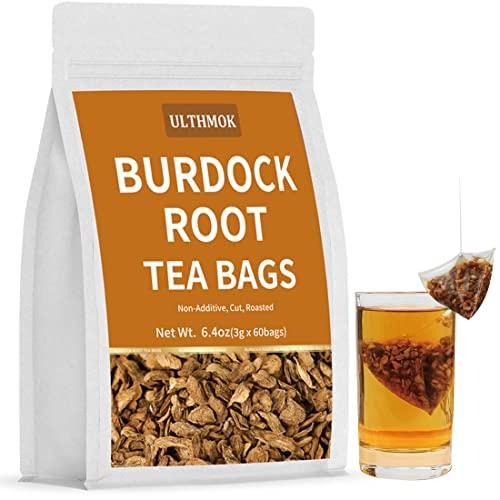
- Image 5: A bottle of burdock root extract. The extract is made from the roots of burdock plants, and it is used as a natural remedy for a variety of health conditions.


Post a Comment for "Burdock Leaves: The Natural Remedy For"