The Ultimate Guide To Companion Planting In Raised Beds
The Ultimate Guide to Companion Planting in Raised Beds
Companion planting is a gardening technique that involves planting different types of plants together in order to benefit each other. By carefully selecting which plants to grow near each other, gardeners can improve the health, productivity, and pest resistance of their crops.
Raised beds are a great way to practice companion planting. They provide a more controlled environment than traditional gardens, and they make it easier to keep track of which plants are growing where. In this guide, we will discuss the benefits of companion planting in raised beds, and we will provide some tips for choosing the right plant combinations.
Benefits of Companion Planting
There are many benefits to companion planting, including:
- Increased crop yields. Companion plants can help to attract beneficial insects, which can help to control pests and improve pollination. They can also help to improve the soil quality, which can lead to healthier and more productive plants.
- Reduced pest and disease problems. Some companion plants can help to repel pests and diseases, which can save you time and money on pest control products.
- Improved plant health. Companion plants can help to improve the overall health of your plants by providing them with nutrients, shade, or support.
- Increased biodiversity. Companion planting can help to increase the biodiversity of your garden, which can make it more resilient to pests and diseases.
- Visual appeal. Companion planting can also add visual appeal to your garden by creating interesting and attractive planting combinations.
Tips for Companion Planting in Raised Beds
When choosing plants for your raised bed, it is important to consider their compatibility. Some plants do not get along well together, and planting them near each other can lead to problems. There are many resources available that can help you to identify compatible plant combinations.
Here are a few tips for companion planting in raised beds:
- Plant tall plants in the back of the bed and shorter plants in the front. This will help to ensure that all of your plants get enough sunlight.
- Plant plants with different water needs together. This will help to evenly distribute water throughout the bed.
- Plant plants with different nutrient needs together. This will help to prevent one plant from depleting the soil of nutrients that another plant needs.
- Plant plants that attract beneficial insects together. This will help to control pests and improve pollination.
- Plant plants that repel pests together. This can help to reduce the need for pesticides.
- Experiment with different plant combinations. There is no one-size-fits-all approach to companion planting. The best way to find out what works for you is to experiment with different combinations.
3-Way Companion Planting
One way to get the most out of companion planting is to plant three different types of plants together. This is called 3-way companion planting. When choosing plants for a 3-way combination, it is important to consider the following factors:
- The plants should have different heights. This will help to create a more visually appealing planting combination.
- The plants should have different water needs. This will help to evenly distribute water throughout the bed.
- The plants should have different nutrient needs. This will help to prevent one plant from depleting the soil of nutrients that another plant needs.
- The plants should benefit each other in some way. For example, one plant might attract beneficial insects that help to control pests, while another plant might repel pests.
Here are a few examples of 3-way companion planting combinations:
- Tomatoes, basil, and marigolds. Tomatoes and basil are both known for attracting beneficial insects, while marigolds repel pests.
- Carrots, onions, and chives. Carrots and onions help to deter the carrot fly, while chives repel aphids.
- Cucumbers, beans, and peas. Cucumbers and beans help to support each other, while peas add nitrogen to the soil.
Conclusion
Companion planting is a great way to improve the health, productivity, and pest resistance of your crops. By carefully selecting which plants to grow together, you can create a more balanced and productive garden. If you are new to companion planting, start by experimenting with a few different combinations. With a little trial and error, you will soon find the perfect plant combinations for your raised bed garden.
Growing your own vegetables is a rewarding experience, but it can be a bit daunting if you're not sure where to start. One of the most important things to consider is what plants to grow together.
Some plants are natural companions, meaning they benefit each other by attracting beneficial insects, deterring pests, or sharing nutrients. For example, Gardenia Inspiration suggests planting tomatoes with basil and garlic, as basil helps to improve the flavor of tomatoes and garlic helps to repel pests.
Other plants should not be grown together, as they can compete for resources or even harm each other. For example, broccoli, cauliflower, and Romanesco should not be grown in raised beds, as they grow too large and can crowd out other plants.
If you're not sure which plants to grow together, Gardenia Inspiration has a comprehensive guide to companion planting. It includes information on which plants are good companions, which plants should be avoided, and even some tips on how to plant your garden for maximum success.
So what are you waiting for? Visit Gardenia Inspiration today and start planning your dream garden!
FAQ of plants to grow together in raised bed
- What are some good companion plants for raised beds?
There are many different companion plants that can be grown together in raised beds. Some of the most popular combinations include:
- Carrots and radishes: These two plants have different root systems, so they won't compete for space. Radishes also help to deter pests from carrots.

- Lettuce and tomatoes: Lettuce prefers cooler weather, while tomatoes prefer warmer weather. By planting them together, you can extend the harvest season for both plants.
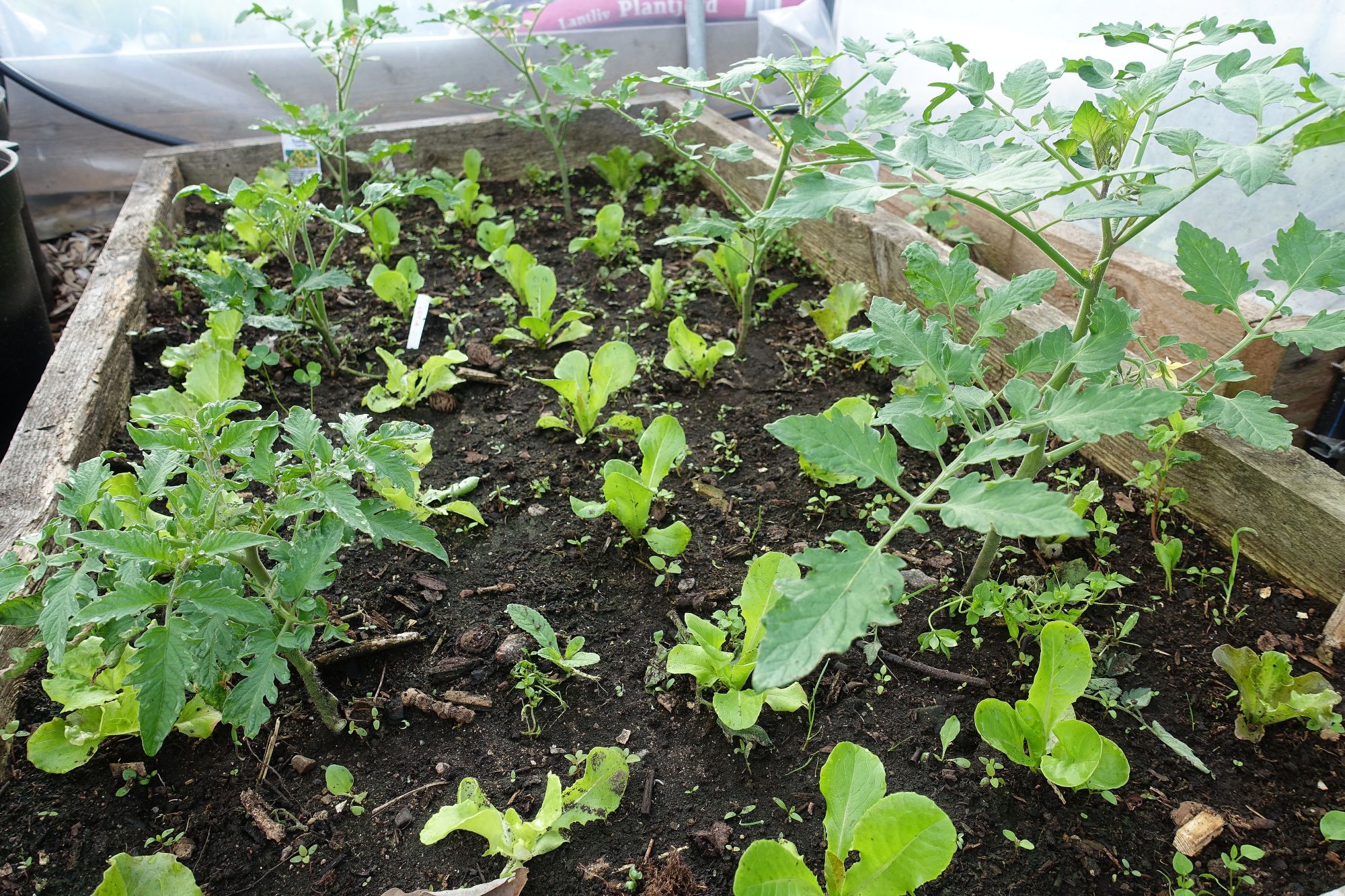
- Beans and peas: These two plants are nitrogen-fixing, which means they can help to improve the soil quality in your raised bed. They also provide shade for other plants, which can help to prevent them from wilting in hot weather.

- Cucumbers and melons: These two plants need a lot of space to grow, so they're a good choice for larger raised beds. They also benefit from having vines that can climb up trellises or other supports.

- Herbs: Herbs can be grown together in raised beds, and they can also be used to attract beneficial insects and pollinators. Some of the most popular herbs to grow in raised beds include basil, chives, mint, oregano, parsley, and rosemary.

- How do I know which plants will grow well together in my raised bed?
When choosing plants to grow together in your raised bed, it's important to consider their sunlight requirements, water needs, and soil pH preferences. You should also avoid planting plants that are known to compete with each other for nutrients or space.
A good way to find out which plants will grow well together is to consult a companion planting chart. These charts list different plants and their compatibility with each other. You can find companion planting charts online or at your local nursery.
- How far apart should I plant my plants in a raised bed?
The amount of space you need to plant your plants in a raised bed will vary depending on the size of the plants and the width of your bed. As a general rule, you should plant most vegetables and herbs about 12-18 inches apart.
However, some plants, such as tomatoes and cucumbers, need more space. Tomatoes should be planted about 24 inches apart, and cucumbers should be planted about 36 inches apart.
It's also important to consider the height of your plants when spacing them. Tall plants, such as corn and sunflowers, should be planted at the back of the bed so they don't shade shorter plants.
- How do I water my raised bed?
Watering your raised bed is important, especially during hot weather. You should water your bed deeply and infrequently, rather than shallowly and frequently. This will help to prevent the roots of your plants from becoming waterlogged.
The amount of water your raised bed needs will vary depending on the size of the bed, the type of plants you're growing, and the weather conditions. As a general rule, you should water your bed deeply once a week. However, you may need to water more often during hot, dry weather.
- How do I fertilize my raised bed?
Fertilizing your raised bed is important to help your plants grow healthy and strong. You should fertilize your bed once a month during the growing season.
The type of fertilizer you use will depend on the type of plants you're growing. You can use a balanced fertilizer, such as a 10-10-10 fertilizer, or you can use a fertilizer that is specifically designed for vegetables or herbs.
It's important to follow the directions on the fertilizer label when applying it to your raised bed. Over-fertilizing can damage your plants.
Image of plants to grow together in raised bed
Carrots and tomatoes: These two plants have different nutrient requirements, so they won't compete for nutrients in the soil. Tomatoes also provide shade for the carrots, which helps to prevent them from bolting (flowering prematurely). 

- Basil and tomatoes: Basil is a companion plant for tomatoes, as it helps to deter pests and attract pollinators. It also has a similar growing requirement and can be planted in the same bed.
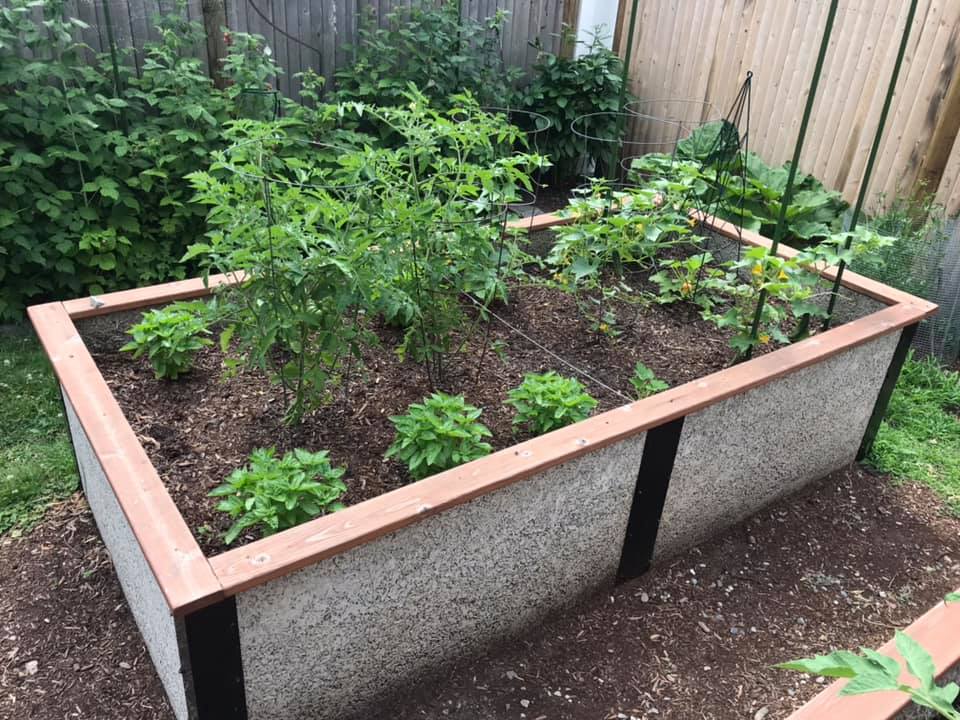

- Cucumbers and beans: Cucumbers and beans are both vining plants that can be grown up a trellis or other support in a raised bed. They have similar water and sunlight requirements, and they can help to shade the soil, which can help to prevent weeds.
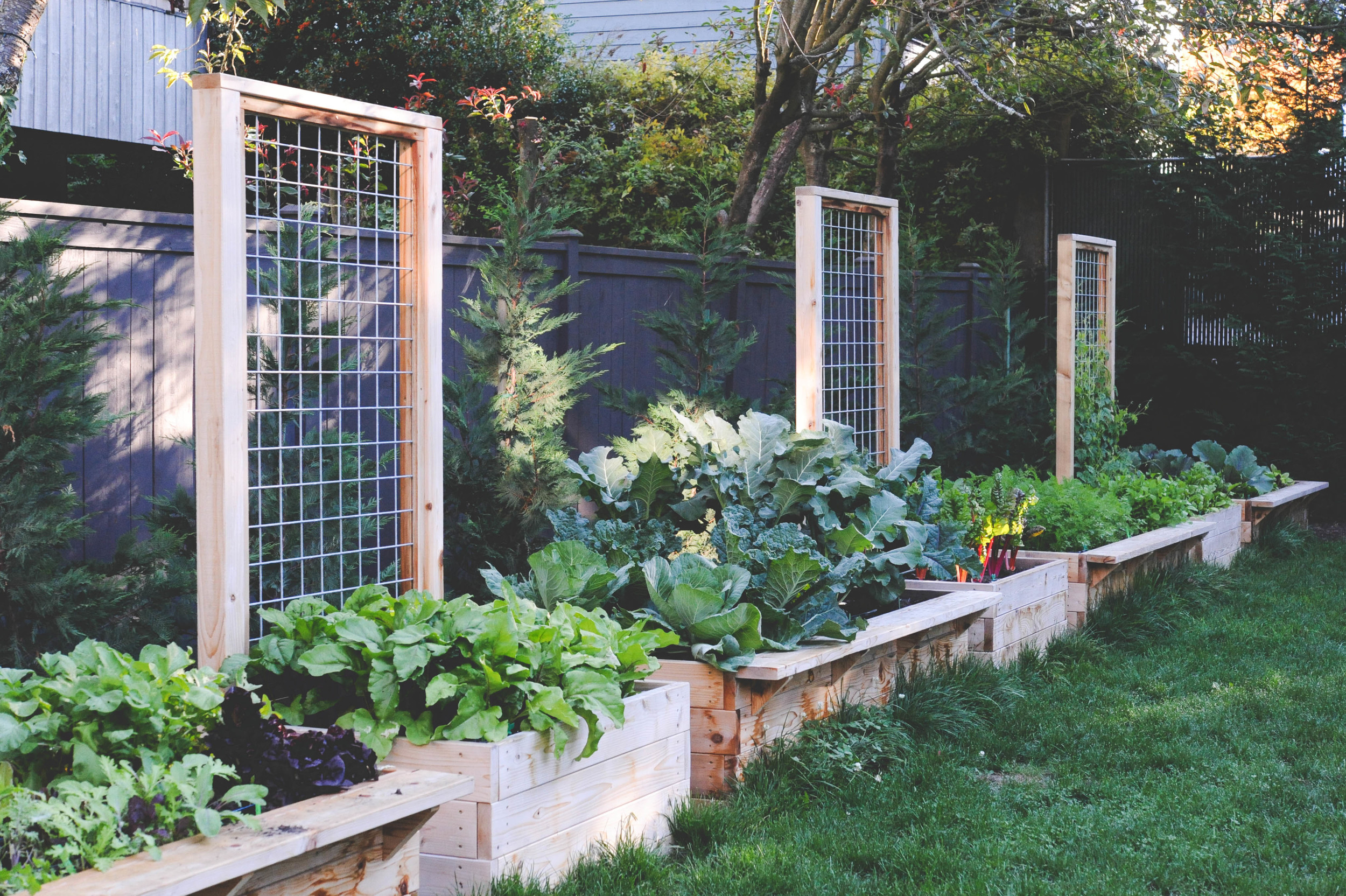
- Lettuce and spinach: Lettuce and spinach are both cool-season greens that can be planted together in a raised bed. They have similar growing requirements, and they can be harvested in succession, which means that you can plant a new round of seeds every few weeks to have a continuous supply of fresh greens.

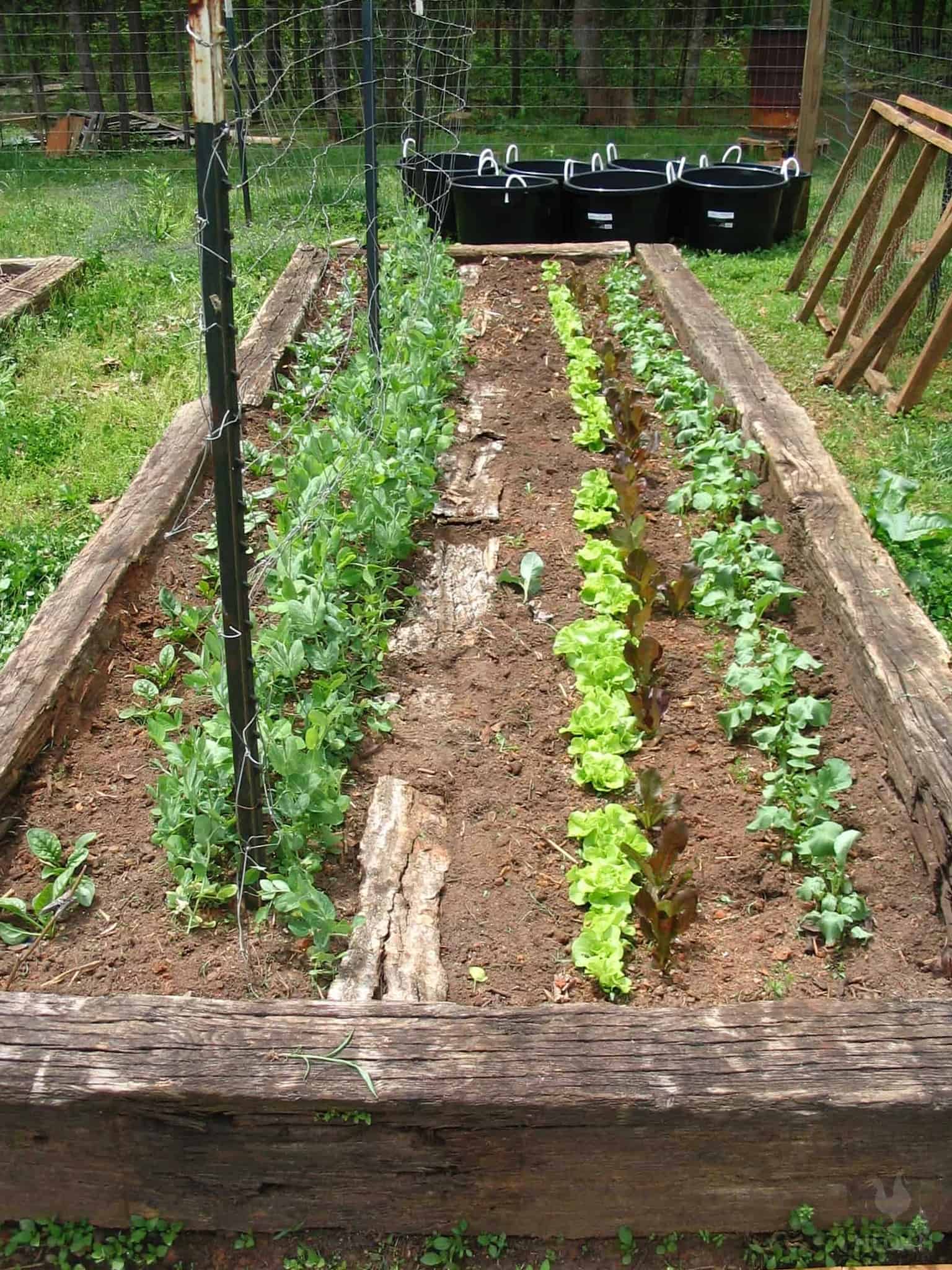
- Peas and carrots: Peas and carrots are another good combination for a raised bed. Peas are nitrogen-fixing plants, which means that they add nitrogen to the soil as they grow. This can benefit the carrots, which are heavy feeders.


Post a Comment for "The Ultimate Guide To Companion Planting In Raised Beds"